
How Digital Entertainment Trends Are Changing the Way We Consume Movies
March 2, 2026
In Musings
A film used to arrive with a schedule and a seat number, then later with a rental shelf and a plastic case. You now get a looser arrangement. The movie still matters, yet the route has changed. In Canada, the shift shows up in homes first. The Media Technology Monitor said over half of Canadians have more than one TV set at home, nearly two thirds watch short form video, and nearly three in ten households now rely on online sources alone for screen entertainment. That is now the basic layout of modern viewing.
The result is a wider, messier, more interesting culture around movies. Deloitte’s 2025 media survey frames the fight for attention as a contest across streaming, social video, gaming, podcasts, and other formats, with people spreading entertainment time across many channels and many devices. That helps explain why one person watches a prestige drama on a television, another catches half a thriller on a phone before bed, and both still say they watched something that counted.
For a Canadian viewer trying to pick what to watch on a Friday night, the problem is rarely shortage. It is sorting. A person might start on Netflix, then check a review thread, then skim a trusted comparison page, much the way someone browsing Casino.org Canada looks for a variety of options before choosing the casino online where they’d like to spend an hour. If you’re going to gamble online, a trusted comparison page can help you find a platform that has a vast array of options and a reputation for paying out in full and speedily. The habit is the same. You compare menus, prices, mood, and trust signals, then you commit. The movie starts before the opening scene because the selection process has become part of the entertainment itself.
Formats have multiplied in a practical way. The Motion Picture Association defines home and mobile entertainment as digital formats such as electronic sell through, video on demand, and subscription streaming, plus physical discs, all watched on home or mobile devices. That sounds technical on paper, though it describes a simple reality. The same film can exist as a cinema trip, a purchase, a rental, a subscription stream, or a disc on a shelf, and people move between those forms depending on cost, timing, and screen size.
Roku’s 2024 Canada study adds another useful detail. On-demand still takes the largest share of weekly streaming time at 57 percent, yet live programming keeps a strong hold at 28 percent, and ad supported viewing keeps growing. That blend matters for film culture because it means audiences now switch between scheduled and unscheduled habits in the same week. One night feels like old television. Another feels like a private cinema. A third feels like an endless lobby with trailers, clips, and half watched starts.
The Device Changes the Movie
Screen choice shapes attention, and attention shapes the movie. A large television still gives the cleanest experience for pace, framing, and sound, especially for dense dramas or anything with visual detail. A phone does something else. It turns a film into a portable companion, which is handy on a train and risky in a kitchen. You still get the plot, though atmosphere leaks out faster when a delivery alert lands in the middle of a close up. Deloitte makes this point indirectly when it notes that people now divide media time across different services and devices instead of giving one format the whole evening.
This also changes what gets made and how it gets marketed. Creators still build for the big frame, but publishers cut clips for social feeds, launch teasers built for vertical screens, and package stories for platforms that reward quick engagement. Deloitte’s 2025 report describes social platforms as a dominant force in media and entertainment, which helps explain why movie campaigns now behave like serial content before release day. The trailer is no longer a trailer. It is a stream of small encounters.
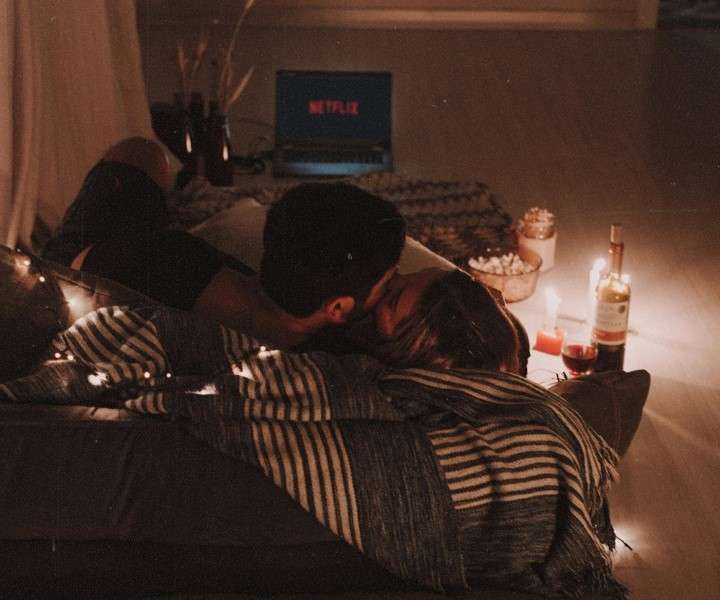
Netflix sits right in the middle of this shift. Reuters reported that the company added 18.9 million subscribers in one quarter and pushed its total to nearly 302 million, helped by returning series and live events, including NFL games and the Jake Paul versus Mike Tyson fight. That detail matters for movie watching because it shows the service acting less like a film shelf and more like a broad entertainment hub. A person arrives for one title, stays for a live event, and then lets the recommendation engine take over the room.
Watching a Film While Doing Everything Else
Second screening now feels ordinary, which is a polite way of saying your phone often gets co-billing. Roku’s Canadian data gives hard numbers to the habit. It found 41 percent of Canadian TV streamers searched online for more information about a product while still watching TV, and 42 percent visited a website, store, or app after seeing an ad. The ad angle is Roku’s business, yet the behavior is broader than ads. People check cast lists, read reactions, send clips, look up locations, and place side bets on a hockey game while a film runs in the background. The eye keeps moving.
Casinos fit this pattern because they live in the same attention economy. A person watching a movie at home can also have a sports line open, a game tab ready, or a comparison page bookmarked for later. The point is that viewing now happens inside a cluster of digital habits, and each habit borrows a little time from the others. The old cinema rule was silence and darkness. The current home rule is tabs.
Horror movies show why this fragmented setup still produces strong shared moments. Reuters reported that horror accounted for 17 percent of North American ticket purchases in 2025, up from 11 percent in 2024, and Box Office Mojo lists A Quiet Place: Day One at about $261.9 million worldwide. That is a genre built for reaction, and reaction travels well across phones, group chats, and short clips. A scare now lands twice, once in the room and once in the messages after.
Practical Ways to Watch Better Now
You need a few rules that fit your own habits. Try these:
- Pick the screen on purpose. Save big visual films for the largest display in the house and use the phone for lighter rewatches or travel viewing. The film usually improves when the device matches the job.
- Treat format as a budget tool. Canada’s streaming stack is getting more selective, and ad supported options are rising, so rotate subscriptions and use rentals when one title matters more than a monthly bill.
- Use second screening with limits. Look up a cast name if you need to, then put the phone down for ten minutes. A movie can survive one interruption. It loses shape when the interruption becomes the main event.
- Keep one social source and one review source you trust. Too many inputs turn choice into drift, and drift is how a whole evening disappears into previews.
Share this Story